



The Gaudeamus Book Fair, amidst its bustling stalls and shelves laden with literary treasures, presents an intriguing paradox. It’s a microcosm where the joy of reading is celebrated, yet outside its confines, a significant portion of the Romanian population remains detached from the world of books.
This dichotomy leads us to question not just the purpose of such fairs but also the broader impact of the reading culture they aim to promote. The Eurostat study solemnly tells us that a good 35% of Romanians are strangers to the intimate rustle of turning pages. What a curious scene: a nation’s literary banquet laid out in grandeur, with many still pondering the menu.
Consider the lists of most-bought books from the fair. These lists are often highlighted in media reports, but what do they truly signify? Are they merely snapshots of contemporary literary trends, or can they serve as a barometer for the country’s reading climate? More importantly, do these lists, with their fleeting fame, have any lasting impact on readership and literary engagement?

It’s almost as if we’re living in two parallel universes. In one, the legacy of reading, as chronicled by the likes of Alberto Manguel and Ross King, paints a picture of a world where books are sacred totems, portals to other dimensions. In this universe, reading is akin to a secret dance, a private ritual where one waltzes with words, and every sentence is a step into the unknown.
Then there’s the other universe, the one where Irene Vallejo and Steven Roger Fischer might point out with a knowing smile, that books are now relics of a bygone era, almost quaint in their physicality in our digital realm. In this universe, the act of reading a book is as anachronistic as writing a letter by candlelight, a charming but increasingly rare phenomenon.
This brings us to the comic stage of social media, where attention spans are shorter than a haiku, and the depth of thought is often as profound as a puddle. Here, the Eurostat study highlighting social media’s impact on reading habits reads like a tragicomedy. On one hand, it’s a tale of loss – the fading allure of deep, immersive reading. On the other, it’s an almost humorous depiction of our collective squirrel-like attention, darting from one shiny notification to the next.
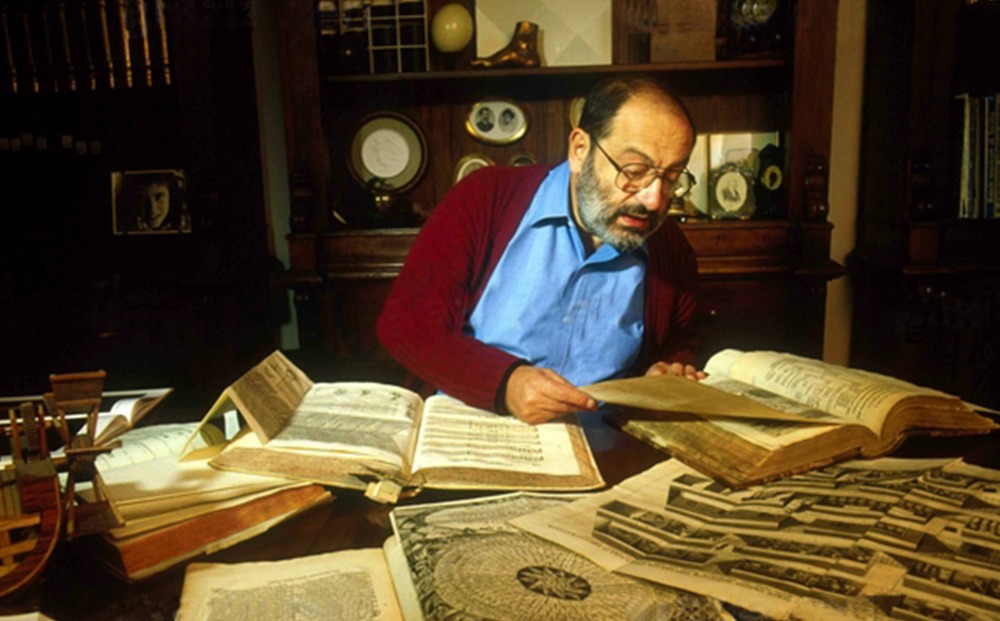
So, here we stand, at the crossroads of these two universes. One where the book is a treasured companion, a mentor, a gateway to other lives and worlds. And the other, where the book is a quaint artifact, a reminder of a slower, more reflective time. The irony, of course, is that in our rush towards the future, we might be leaving behind one of the very things that make that future worth exploring – the joy, the depth, the playfulness of a good read.
Mihai Nadin‘s concept of a ‘civilization of illiteracy’ is particularly pertinent here. It suggests that the decline in traditional reading habits is part of a broader shift towards a new form of literacy, one characterized by fragmented and superficial information processing. This shift is not just about a reduction in the quantity of reading but a transformation in the quality and nature of our engagement with text.
In conclusion, the conversation around reading in Romania is a complex tapestry of historical reverence, modern trends, and evolving literacy. It’s about rekindling a national interest in reading, not just as a pastime but as a crucial component of personal and intellectual growth. The act of reading, with its rich history and transformative power, needs to be repositioned as a central pillar in the digital age, a necessary counterbalance to the pervasive superficiality of contemporary information consumption.


